
Leather Dashboard Heat Damage: 7 Expert Tips to Fix It
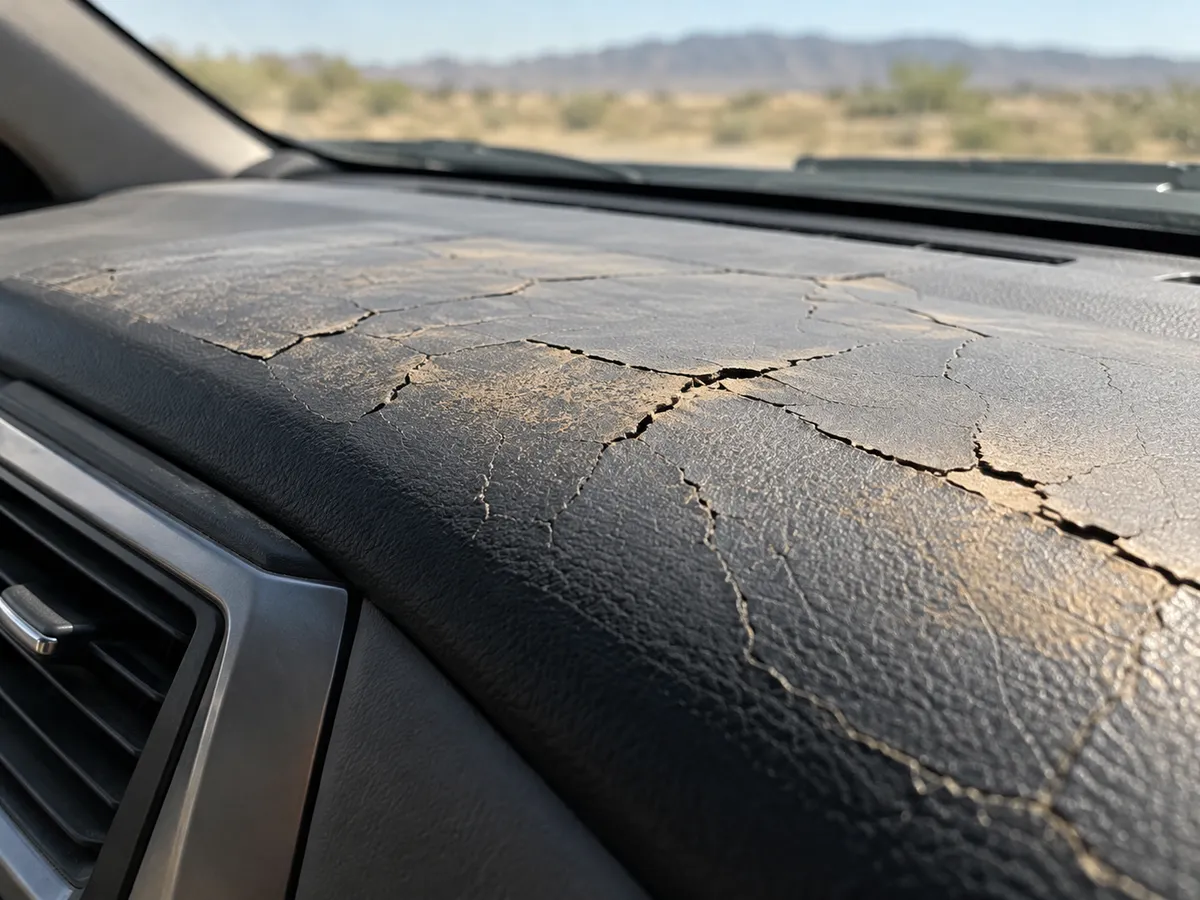
Leather dashboard heat damage is a common concern for vehicle owners who regularly park outdoors or drive in hot, sunny conditions. Over time, prolonged exposure to sunlight and high temperatures can leave a leather dashboard looking faded, dry, cracked, or warped.
While these problems may begin as minor cosmetic changes, neglecting them can lead to more noticeable deterioration and potentially expensive interior repairs.
The good news is that some types of leather dashboard heat damage can be managed with proper cleaning, preventive care, and professional restoration when needed.
Understanding what causes the damage and recognizing its early warning signs can help you protect your vehicle's interior before the problem becomes more serious.
What Causes Leather Dashboard Heat Damage?
A car's dashboard is exposed to significant heat and sunlight through the windshield. Even when the outside temperature feels manageable, interior surfaces can become much hotter.
According to research discussed by Capital One Auto Navigator, a vehicle dashboard exposed to direct sunlight can reach approximately 160°F (71°C) in about an hour under hot conditions.
Repeated exposure to these temperatures can accelerate deterioration, especially when combined with ultraviolet radiation and unsuitable cleaning products.
Several factors contribute to leather dashboard heat damage.
1. Prolonged UV Exposure
Ultraviolet radiation contributes to the deterioration and fading of automotive interior materials, including leather.
Over time, sun exposure may discolor the dashboard's surface and degrade protective finishes. Leather and synthetic dashboard coverings can respond differently depending on their construction and coatings.
2. Excessive Interior Temperatures
Vehicles parked under direct sunlight experience substantial temperature increases.
Repeated heating can contribute to material aging, while thermal expansion and contraction can place stress on dashboard coverings, adhesives, and underlying components.
3. Aging and Material Deterioration
Leather dashboards may become more vulnerable to wear as their finishes, coatings, and supporting materials age.
Damage may develop faster when a vehicle experiences frequent sunlight exposure, poor maintenance, or prolonged periods of high interior temperature.
4. Improper Cleaning Products
Harsh detergents, chemical solvents, and unsuitable household cleaning products can damage dashboard finishes.
Some products may also leave residue or create unwanted reflections on the windshield.
For this reason, vehicle manufacturers recommend following material-specific cleaning instructions rather than applying general-purpose cleaners.
5 Warning Signs of Leather Dashboard Heat Damage
Recognizing leather dashboard heat damage early can help you decide whether routine maintenance is sufficient or professional repairs are necessary.
1. Fading and Uneven Discoloration
One of the earliest visible changes is a difference in color between exposed and protected dashboard areas.
Dark dashboards may appear lighter or develop uneven patches, particularly near the windshield where sunlight exposure is greatest.
2. Surface Cracking
Fine lines or small cracks may develop in the dashboard covering.
As deterioration progresses, cracks can become deeper and more noticeable. Their severity depends on the actual material, its finish, and its underlying structure.
3. Peeling or Flaking
Certain coated surfaces may begin to peel or flake as their finish deteriorates.
This problem should be evaluated before applying leather conditioners, since not every dashboard covering is made from genuine leather.
4. Warping or Bubbling
Heat-related deterioration may cause dashboard coverings to lift, bubble, or separate from underlying materials.
This type of damage is generally more complicated than surface fading because it may involve adhesives, foam layers, or the dashboard structure itself.
5. Changes in Surface Texture
A previously smooth dashboard may begin to feel rough, stiff, or uneven.
Some damaged finishes may become sticky or tacky, particularly on certain synthetic materials.
These symptoms are not always caused by heat alone. Chemical exposure and material breakdown can produce similar effects.
Can Leather Dashboard Heat Damage Be Repaired?
Yes, some leather dashboard heat damage can be repaired, but the appropriate solution depends on the severity of the damage and the dashboard's construction.
Minor discoloration or surface wear may respond to appropriate professional refinishing. However, cracked coatings, deep splits, bubbling, and adhesive failure may require specialized restoration or component replacement.
Before attempting repairs, identify whether your dashboard is made of genuine leather, leather-covered trim, vinyl, or another synthetic material.
Products designed for one surface may be ineffective or damaging when used on another.
For dashboards containing passenger airbag panels or designated airbag deployment seams, avoid DIY fillers, adhesives, covers, or modifications. Consult a qualified automotive repair professional or authorized dealer.
7 Expert Tips to Prevent and Manage Leather Dashboard Heat Damage
The following practical strategies can help reduce leather dashboard heat damage and extend the appearance and service life of your vehicle's interior.
Tip 1: Use a Windshield Sunshade
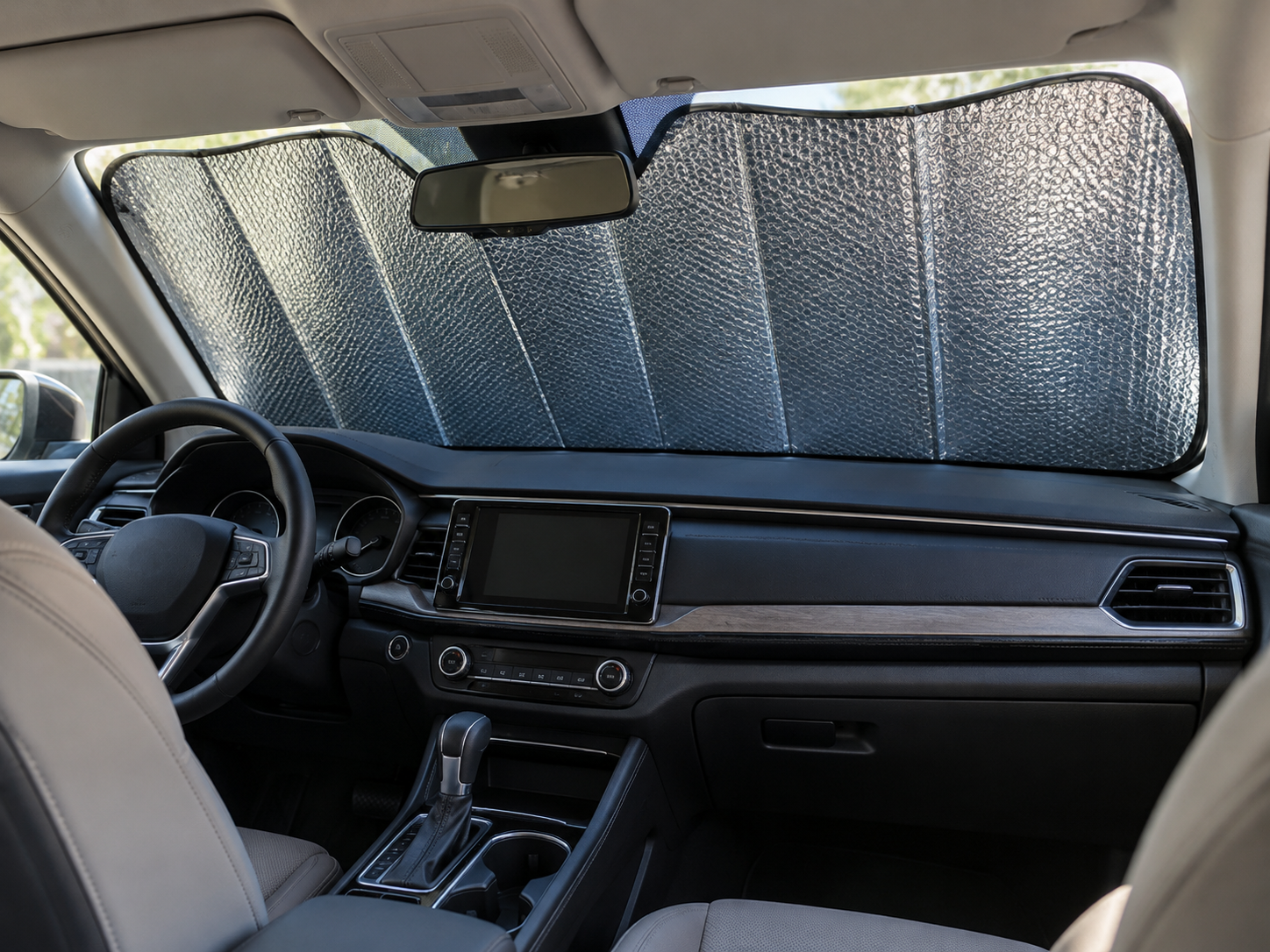
A windshield sunshade is one of the simplest ways to reduce direct sunlight exposure when your vehicle is parked.
A properly fitted reflective shade helps shield the dashboard from incoming sunlight and can reduce heat buildup.
Choose a sunshade designed for your vehicle's windshield to improve coverage.
Although sunshades cannot eliminate all interior heat, they can provide useful protection during daily outdoor parking.
Tip 2: Park in Covered or Shaded Areas
Reducing direct sunlight exposure is an effective long-term preventive measure.
Whenever practical, park inside a garage, under a covered parking structure, or in a shaded location.
Remember that shade moves throughout the day. A parking space that is shaded in the morning may receive direct sunlight later.
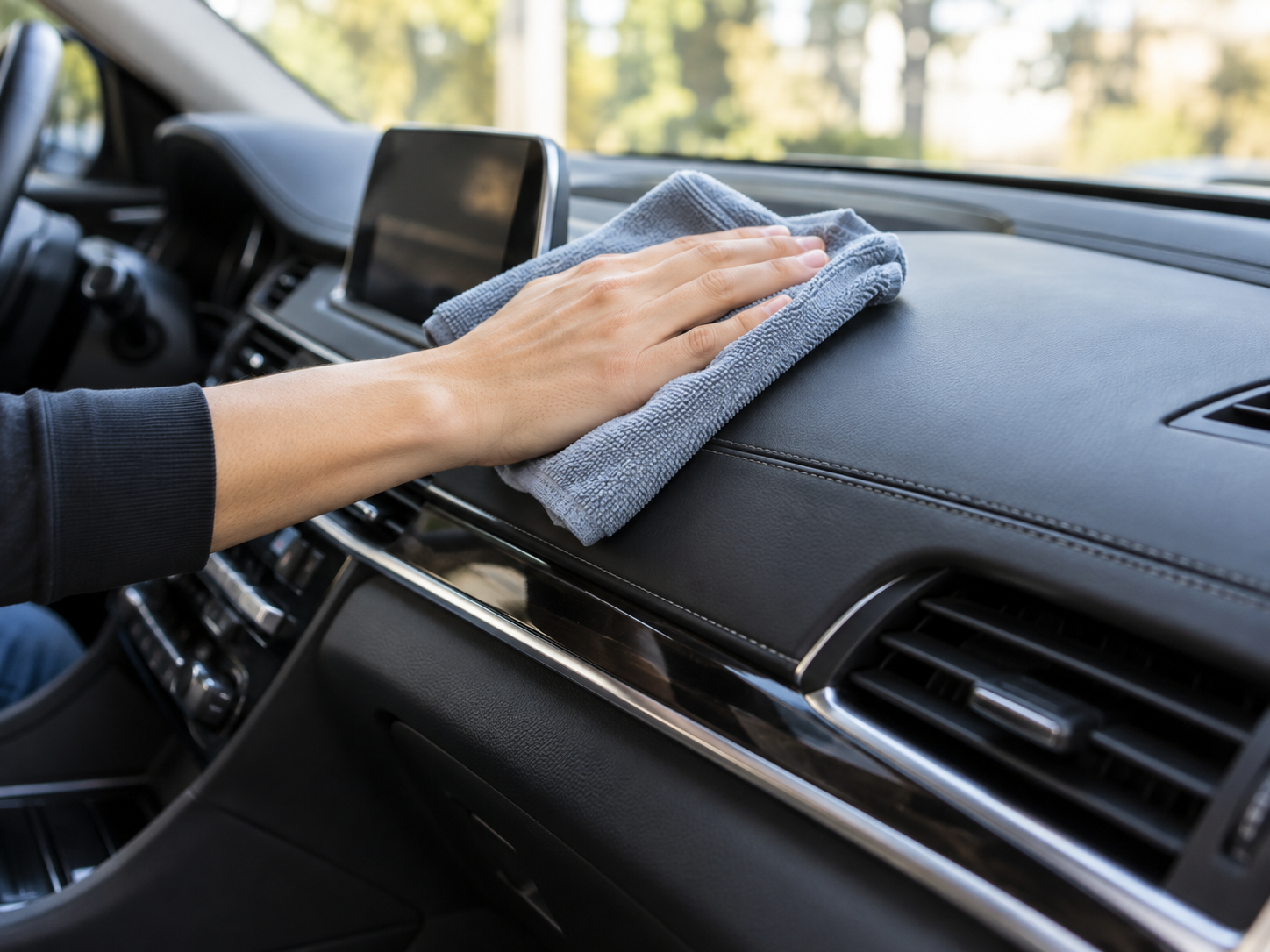
Tip 3: Clean the Dashboard Gently
Routine cleaning helps remove accumulated dust, dirt, and surface contamination.
For many dashboards, a clean, slightly damp microfiber cloth is an appropriate starting point.
Always consult the vehicle manufacturer's instructions before applying cleaning solutions.
Avoid harsh detergents, abrasive brushes, and aggressive scrubbing, which may damage delicate surfaces.
Never pour cleaning products directly onto dashboard switches, screens, vents, or seams.
Tip 4: Choose Material-Compatible Protection
Selecting the right protection product can help maintain your dashboard's appearance.
However, not all dashboard coverings benefit from leather conditioners.
Genuine leather, coated leather, vinyl, and synthetic materials have different maintenance requirements.
If your vehicle manufacturer permits a protective product, choose one specifically compatible with the material and test it in a small, inconspicuous area.
Avoid greasy or high-gloss treatments that can create distracting windshield reflections.
Tip 5: Consider Automotive Window Film
Automotive window films can reduce certain types of solar exposure.
Depending on the product, window film may provide UV rejection, infrared energy rejection, or other solar-control benefits.
These features can help reduce exposure that contributes to interior deterioration.
However, films vary in performance, and no automotive tint completely eliminates heat-related damage.
Check local tint regulations and select a reputable installer.
Tip 6: Address Minor Damage Before It Spreads
If you notice discoloration, cracking, or peeling, document the affected area and monitor whether the condition changes.
Avoid experimenting with household adhesives, leather dyes, heat guns, or unverified repair products.
For cosmetic damage away from safety-critical components, a qualified automotive interior specialist may be able to recommend refinishing or a suitable repair.
Early evaluation can prevent unnecessary spending on products that cannot correct the underlying problem.
Tip 7: Schedule Professional Dashboard Restoration When Necessary
Severe leather dashboard heat damage often requires more than cleaning or conditioning.
A professional automotive upholstery or interior restoration specialist can assess whether the affected covering can be refinished, repaired, reupholstered, or needs replacement.
Seek professional evaluation when the dashboard develops:
Deep cracks or splits
Large areas of peeling
Extensive bubbling or separation
Significant warping
Damage near passenger airbag deployment areas
Not every damaged dashboard can be restored safely or economically. In some cases, replacement is the more appropriate long-term solution.
Leather Dashboard Heat Damage: Repair vs. Replacement
Choosing between repair and replacement depends on the extent of the deterioration and the affected components.
Dashboard Condition | Possible Solution |
|---|---|
Light fading | Assessment and compatible refinishing |
Minor surface wear | Professional cosmetic restoration |
Small cracks away from airbag areas | Specialist repair evaluation |
Peeling or bubbling | Evaluate coating or adhesive failure |
Extensive cracking or warping | Professional replacement assessment |
Damage around airbag seams | Authorized repair or dealer inspection |
These recommendations are general guidelines. Actual repairs should follow the vehicle manufacturer's requirements.
Common Mistakes That Can Make Dashboard Heat Damage Worse
Vehicle owners sometimes attempt quick cosmetic fixes that unintentionally worsen leather dashboard heat damage.
One common mistake is using excessive conditioner on a surface that is not genuine leather. Another is applying strong household cleaning products that can degrade existing finishes.
Heat guns and other concentrated heat sources should never be used casually to reshape a damaged dashboard. Excessive heat can worsen distortion or damage nearby components.
Dashboard covers also require caution. Never install an accessory that obstructs airbags, ventilation, visibility, or vehicle controls.
Finally, avoid glossy dashboard dressings. A reflective dashboard surface can increase windshield glare and potentially interfere with driver visibility.
The safest approach is to understand the dashboard material and follow the manufacturer's maintenance instructions.
How Often Should You Maintain a Leather Dashboard?
There is no universal conditioning schedule for every leather dashboard.
Maintenance frequency depends on the material, vehicle usage, parking conditions, manufacturer recommendations, and products involved.
A practical routine includes inspecting the dashboard during regular interior cleaning, gently removing dust and dirt, and checking for early signs of fading, cracking, or separation.
Vehicles frequently parked outdoors may benefit from more frequent visual inspections.
When applying any approved leather-care treatment, follow the product instructions and your vehicle's owner's manual rather than assuming more frequent applications provide better protection.
Frequently Asked Questions About Leather Dashboard Heat Damage
Can heat permanently damage a leather dashboard?
Yes. Prolonged heat and sunlight exposure can contribute to fading, cracking, coating deterioration, and other material changes. Some cosmetic problems can be improved, but severe structural or adhesive damage may be permanent without replacement.
Can leather conditioner fix a cracked dashboard?
Leather conditioner cannot reliably reverse established cracks or repair separated dashboard layers. It may be appropriate for maintaining certain genuine leather surfaces when approved by the vehicle manufacturer, but damaged areas often need specialist assessment.
Does window tint prevent leather dashboard heat damage?
Quality automotive window film can reduce UV exposure and certain types of solar heat entering the vehicle. However, performance varies by film, and window tint does not guarantee complete protection against dashboard damage.
What is the best way to protect a leather dashboard from sunlight?
Using a properly fitted windshield sunshade, parking in covered areas, and following material-specific cleaning instructions are sensible preventive measures.
Can a warped leather dashboard be restored?
Some cases of dashboard warping or covering separation may be repairable by a qualified specialist. Severe deformation, adhesive failure, or damage involving airbag components may require dashboard replacement.
How much does leather dashboard restoration cost?
Restoration costs vary considerably based on the vehicle, dashboard material, severity of damage, labor rates, and whether repairs or replacement are necessary. A professional inspection and written estimate provide a more reliable cost assessment than a universal price range.
Final Thoughts: Protect Your Leather Dashboard Before Damage Gets Worse
Leather dashboard heat damage often develops gradually, making preventive maintenance especially valuable.
Regular cleaning, thoughtful parking habits, windshield sunshades, and suitable solar protection can help reduce unnecessary exposure and maintain the appearance of your vehicle's interior.
If your dashboard already shows fading, cracking, peeling, or warping, avoid using unverified repair methods. Identify the material and consult an experienced automotive interior specialist when necessary.
Protecting your dashboard today can help preserve your vehicle's interior condition, driving comfort, and long-term value.
For severe damage or concerns near airbag components, seek professional evaluation before attempting restoration.


