
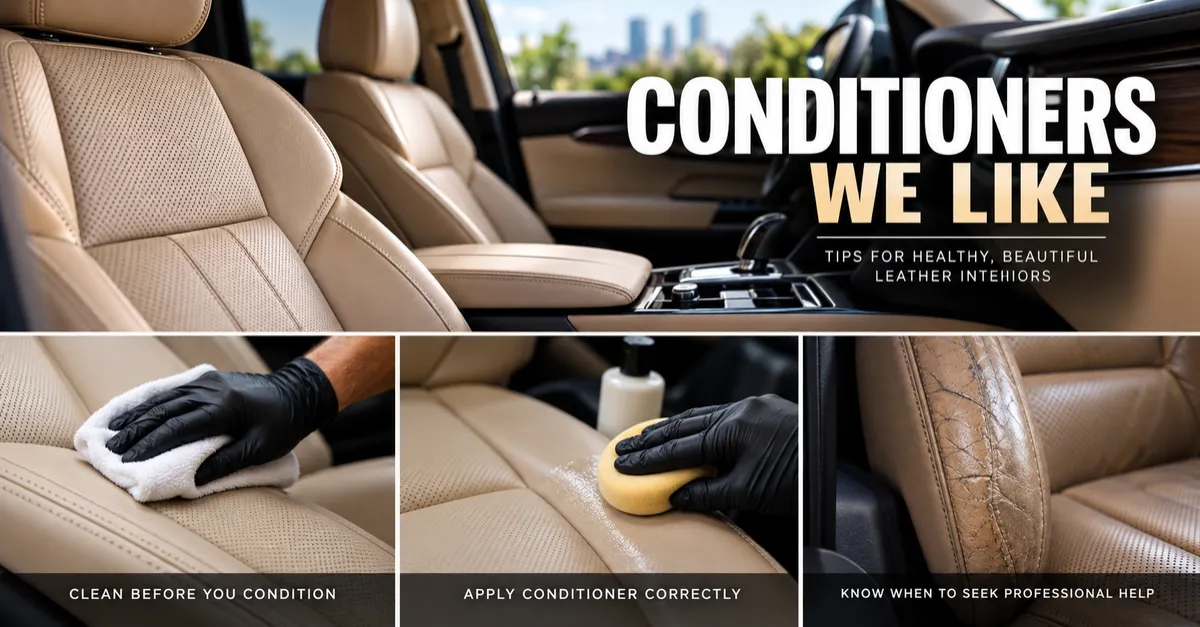
7 Best Leather Conditioner Tips for Lasting Results
Finding the best leather conditioner for your vehicle is not simply about choosing the product that promises the most shine or softness. Modern automotive leather requires careful maintenance, and using the wrong conditioner can leave behind residue, alter the finish, or cause unnecessary wear.
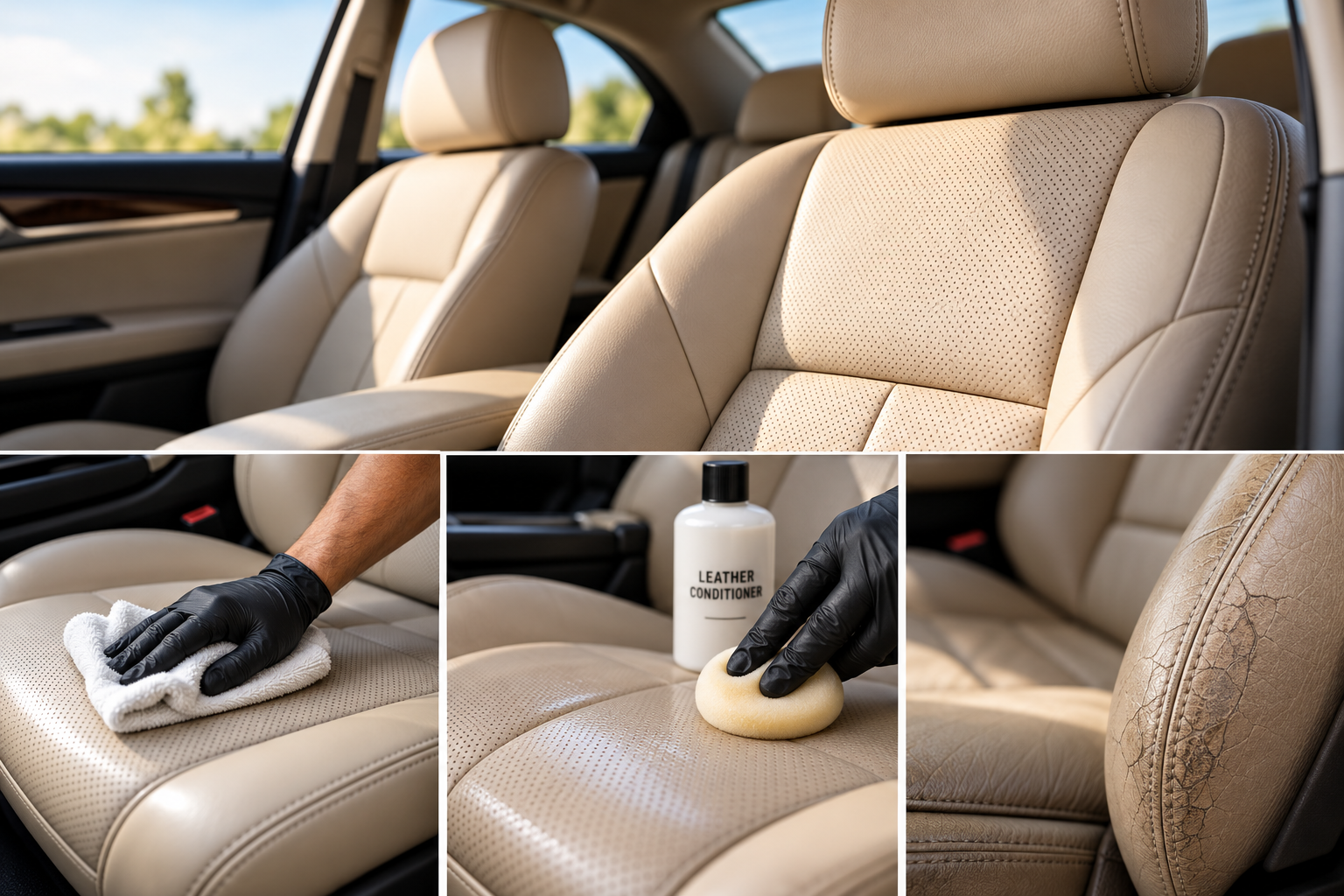
At Leather+Tech in Bellevue, Washington, automotive leather cleaning, conditioning, and restoration are important parts of maintaining vehicle interiors. Whether you drive a luxury sedan, a classic car, or an everyday vehicle, understanding which conditioners are appropriate can help preserve your leather's appearance.
In this guide, we'll explain the types of leather conditioners we like, the ingredients and characteristics worth looking for, and seven practical tips for keeping automotive leather in excellent condition.
Why Choosing the Best Leather Conditioner Matters
Leather is a durable upholstery material, but its appearance and performance depend on the type of leather, its protective finish, and the conditions inside your vehicle.
Exposure to sunlight, heat, friction, body oils, and accumulated dirt can gradually affect automotive upholstery.
The best leather conditioner for your car should be compatible with its specific leather finish. A conditioner designed for unfinished leather may not be suitable for the coated leather commonly used in modern vehicles.
Choosing an appropriate product can help you:
Maintain a clean, comfortable leather surface.
Reduce unwanted residue and greasy buildup.
Preserve the intended matte or satin appearance.
Support a practical leather maintenance routine.
Avoid products that could interfere with protective coatings.
Importantly, leather conditioner cannot repair existing cracks, restore missing color, or reverse structural deterioration. Those problems may require professional leather restoration.
1. Choose the Best Leather Conditioner for Your Leather Type
Before purchasing any conditioner, determine what kind of leather is installed in your vehicle.
Coated or Pigmented Automotive Leather
Many modern vehicles use leather with a protective surface finish.
For these interiors, we favor the characteristics of a gentle, water-based leather care product specifically labeled as compatible with coated automotive leather.
Heavy oils and thick conditioning creams are generally unnecessary for routine maintenance of intact coated leather.
Aniline and Semi-Aniline Leather
Some premium and specialty interiors use more delicate leather finishes.
These materials may absorb liquids more readily or react differently to conditioning products.
Choose products specifically approved for the leather type and follow the manufacturer's care instructions.
Vintage and Unfinished Leather
Older vehicles may contain leather with different finishing systems and maintenance requirements.
The best leather conditioner for a vintage interior may differ significantly from the product used on a newer luxury vehicle.
When the finish is unknown, professional assessment is preferable to experimenting with several products.
2. Look for Water-Based Leather Conditioning Products
One of the leather conditioner categories we favor for appropriate automotive applications is a professionally formulated, water-based product.
Water-based products can offer controlled application and may be less likely to leave a heavy oily film when used correctly.
Look for a conditioner that:
Identifies the leather finishes it supports.
Provides clear application instructions.
Does not promise unrealistic leather restoration.
Leaves minimal residue when properly applied.
Is suitable for automotive upholstery.
Not every water-based conditioner is appropriate for every leather surface. Always verify compatibility before use.
Leather+Tech uses commercial-grade water-based products designed for leather in its restoration work. This does not mean every consumer conditioner is suitable for every interior.
3. Avoid Heavy Oils, Waxes, and Unnecessary Shine
A common misconception is that shinier leather is healthier leather.
In reality, many automotive interiors are designed to have a relatively matte or satin finish.
Heavy oils, waxes, and silicone-rich dressings can leave surfaces slippery or glossy and may attract additional dirt.
Avoid using household products such as cooking oil, petroleum jelly, or general-purpose furniture polish on automotive leather.
When comparing products, the best leather conditioner is usually one that preserves the intended finish rather than dramatically changing its appearance.
If a product makes the seat feel unusually greasy or slippery, discontinue use and consult the leather or vehicle manufacturer's cleaning guidance.
4. Clean Your Leather Before Applying Conditioner
Even the best leather conditioner may produce disappointing results when applied over dirt, body oils, or accumulated residue.
Cleaning should come before conditioning.
A Simple Leather Cleaning Process
Vacuum the seat carefully using a soft upholstery attachment.
Remove loose dust and debris from seams and creases.
Apply a leather-safe cleaner to a microfiber cloth or suitable applicator according to its instructions.
Gently clean the surface without aggressive scrubbing.
Remove remaining cleaner as directed by the product manufacturer.
Allow the leather to dry before considering a compatible conditioner.
Avoid saturating perforated leather seats. Excess liquid can enter the holes and reach underlying materials.
For additional information about professional treatment, explore Leather+Tech's leather cleaning and conditioning services.
5. Apply Leather Conditioner Sparingly
Using more conditioner does not automatically provide better protection.
Overapplication can create buildup, especially on coated leather where much of the product remains on the protective surface.
For a compatible product, follow these general steps:
Test the conditioner on a small, inconspicuous area.
Check for discoloration, gloss changes, or residue.
Apply a small amount using the recommended applicator.
Spread the product evenly without soaking seams or perforations.
Follow the manufacturer's instructions for drying and removing excess product.
Never assume that a conditioner should remain on the surface overnight. Different products require different application and removal procedures.
The best leather conditioner routine is controlled, consistent, and appropriate for the leather finish.
6. Understand How Often Leather Seats Need Conditioning
There is no universal conditioning schedule that works for every vehicle.
Frequency depends on several factors, including the leather type, manufacturer recommendations, driving conditions, and the product being used.
Factors That Affect Leather Maintenance
Daily vehicle use: Frequently occupied seats collect more body oils, perspiration, and dirt.
Sun exposure: Vehicles regularly parked outdoors may experience greater heat and UV exposure.
Interior color: Light-colored leather can show denim dye transfer and surface contamination more easily.
Leather finish: Coated, semi-aniline, and unfinished leathers have different care requirements.
Rather than automatically applying conditioner every month, inspect and clean your seats regularly and condition only when appropriate.
For many modern coated automotive interiors, gentle cleaning and protection from unnecessary wear are more important than frequent conditioning.
7. Know When Professional Leather Restoration Is Better
Even the best leather conditioner cannot fix every leather problem.
Some damage requires specialized repair materials, refinishing techniques, or upholstery replacement.
Signs That Your Leather Needs Professional Attention
Visible cracking or splitting.
Peeling or deteriorating surface coatings.
Significant color fading.
Torn seams or punctures.
Persistent stains or dye transfer.
Rough, damaged, or heavily worn seat bolsters.
Applying conditioner to damaged leather may temporarily change its appearance, but it will not restore missing material or repair a failing finish.
Leather+Tech offers professional automotive leather repair, color restoration, scratch repair, and conditioning services.
Explore our leather repair and restoration services to learn more about available treatment options.
Leather Conditioners We Like: What Makes a Product Worth Choosing?
Rather than recommending one universal brand, we prefer choosing leather conditioners based on the material and finish being treated.
Conditioner Type | Best Considered For | Important Precaution |
|---|---|---|
Water-based automotive leather conditioner | Compatible coated or finished leather | Verify finish compatibility |
Manufacturer-approved leather care product | Vehicle-specific upholstery | Follow the vehicle care manual |
Specialty aniline leather conditioner | Compatible aniline leather | Test carefully for darkening |
Vintage leather care formulation | Appropriate older or unfinished leather | Seek specialist advice |
Heavy oil or wax dressing | Not preferred for routine modern automotive leather care | May leave residue or alter appearance |
The best leather conditioner should support the original material without creating unnecessary changes to its texture, color, or finish.
For more information about vehicle-specific interior maintenance, consult your owner's manual or the vehicle manufacturer resources provided by the National Highway Traffic Safety Administration.
Common Leather Conditioner Mistakes to Avoid
Even high-quality products can produce poor results when applied incorrectly.
Using Conditioner on the Wrong Material
Not every automotive seat surface is genuine leather. Some interiors combine leather, vinyl, synthetic upholstery, and coated materials.
A product designed for natural leather may not be appropriate for synthetic surfaces.
Applying Conditioner Without Cleaning
Dirt and body oils should be removed before conditioning. Otherwise, the product may contribute to unwanted surface buildup.
Ignoring the Leather Finish
Delicate or absorbent leather can react differently from heavily coated automotive leather.
Always identify the material before treatment.
Expecting Conditioner to Repair Cracks
Conditioners are maintenance products, not structural repair solutions.
Deep cracks, torn seams, and peeling coatings require a different approach.
Using Too Much Product
Excessive application may leave the leather sticky, glossy, or slippery.
A thin, manufacturer-recommended application is generally preferable.
Best Leather Conditioner FAQs
What is the best leather conditioner for car seats?
The best leather conditioner depends on your vehicle's upholstery. For compatible modern coated leather, a gentle automotive-specific, water-based product may be appropriate. Always follow the vehicle and product manufacturers' instructions.
Can leather conditioner prevent cracking?
Appropriate maintenance may help preserve certain leather materials, but conditioner cannot guarantee crack prevention. UV exposure, abrasion, aging, and deterioration of protective coatings can still cause damage.
Should I condition leather seats every month?
Not necessarily. Many modern coated leather seats do not require frequent conditioning. Follow manufacturer recommendations and prioritize regular gentle cleaning.
Can I use household oils as leather conditioner?
Household oils are not recommended for routine automotive leather maintenance. They may cause staining, unwanted shine, residue, or compatibility problems.
Can leather conditioner repair faded seats?
No. Conditioner cannot replace missing pigment or restore a deteriorated coating. Professional color restoration may be needed.
Is leather conditioner safe for perforated seats?
Some compatible products may be used carefully, but avoid excessive liquid and follow manufacturer guidance. Perforations can allow products to reach underlying materials.
Final Thoughts: Choose the Right Leather Conditioner for Lasting Care
The best leather conditioner is not necessarily the most expensive product or the one promising the most dramatic results.
It is the product that suits your leather type, respects its original finish, and fits into a sensible cleaning and maintenance routine.
For modern automotive leather, proper cleaning, minimal residue, and material compatibility should guide your decisions.
When leather has developed cracks, worn coatings, discoloration, or structural damage, professional restoration may provide a more appropriate solution than additional conditioner.
Professional Leather Cleaning and Restoration in Bellevue, WA
At Leather+Tech, we specialize in automotive leather repair and restoration, helping vehicle owners address damaged, worn, and aging interiors.
Whether you need leather cleaning and conditioning, color restoration, or repair work, our team can assess your vehicle's condition and recommend suitable next steps.
Give your leather interior the attention it deserves.
Contact Leather+Tech for a repair estimate or schedule an in-person consultation.
Leather+Tech — Quality Leather Repair Since 2001.


